Steps to Installing Irrigation System: A Practical Guide

Installing an irrigation system can transform your lawn or garden into a lush, healthy space with minimal effort. Whether you’re managing a commercial property or a home garden in Central Indiana, a well-planned irrigation system saves water, time, and money. I’m here to walk you through the essential steps to get your irrigation system up and running smoothly.
Planning and Preparing for Installing Irrigation System
Before digging or buying parts, planning is key. Start by assessing your landscape’s watering needs. Different plants and lawn areas require different amounts of water. Map out your property, noting sun exposure, soil type, and plant types. This helps determine the best irrigation zones.
Next, check your water source and pressure. Most irrigation systems connect to your outdoor faucet or main water line. You’ll need to know the water pressure to select the right sprinkler heads and valves. Too much pressure can damage the system, while too little won’t deliver enough water.
Gather your materials: pipes, sprinkler heads, valves, a timer, and tools like a shovel and pipe cutter. You can find kits designed for DIY installation, which simplify the process.

Installing the Main Components of Your Irrigation System
Once you have your plan and materials, it’s time to start installation. Begin by turning off the water supply. Then, dig trenches for the pipes according to your layout. Trenches should be about 6 to 12 inches deep to protect pipes from damage and freezing.
Lay the main water line pipe in the trench and connect it to your water source. Use PVC or polyethylene pipes, which are durable and easy to work with. Attach the valves to control water flow to different zones. These valves are usually connected to an automatic timer, which lets you schedule watering times.
Next, install the sprinkler heads or drip emitters. Position them to cover all areas evenly without wasting water on sidewalks or driveways. Adjust the heads to spray the right distance and pattern.
After everything is connected, backfill the trenches carefully, avoiding damage to pipes or heads.
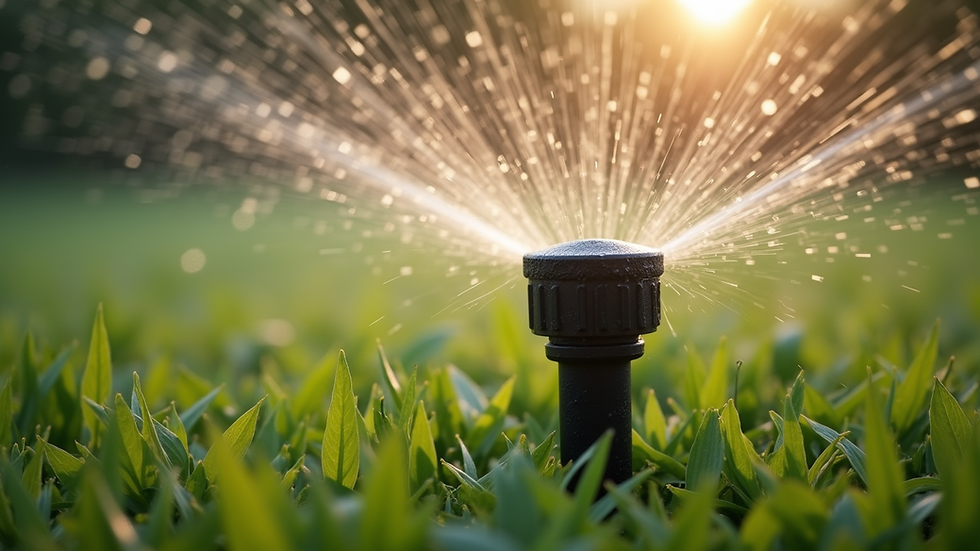
What is the 30 30 rule for irrigation?
The 30 30 rule is a simple guideline to help you water your lawn effectively. It means you should water your lawn for 30 minutes, then wait 30 minutes before watering again. This allows water to soak deep into the soil rather than running off the surface.
Following this rule helps prevent overwatering and encourages roots to grow deeper, making your plants more drought-resistant. It’s especially useful during hot summer months in Central Indiana when evaporation rates are high.
Using an automatic timer with your irrigation system makes it easy to follow the 30 30 rule without manual intervention.
Testing and Adjusting Your Irrigation System
After installation, testing your system is crucial. Turn on the water and run each zone separately. Watch for leaks, uneven coverage, or sprinkler heads that don’t pop up properly. Adjust the spray patterns and distances as needed.
Check the timer settings to ensure watering schedules match your landscape’s needs. For example, lawns usually need watering early in the morning or late in the evening to reduce evaporation.
Regular maintenance is important too. Clean clogged sprinkler heads and check for broken pipes or valves. Seasonal adjustments help keep your system efficient year-round.
If you want to learn more about professional irrigation system installation, you can visit trusted local experts who offer quick and reliable service.
Benefits of Installing an Irrigation System for Your Property
Installing an irrigation system offers many benefits beyond convenience. It conserves water by delivering the right amount exactly where it’s needed. This is especially important in Central Indiana, where water conservation is a growing concern.
An automated system saves you time and effort. You don’t have to drag hoses or remember to water daily. It also promotes healthier plants by providing consistent moisture, reducing stress and disease.
For commercial properties, a well-maintained irrigation system enhances curb appeal and property value. It shows you care about your landscape and the environment.
Investing in a quality irrigation system and proper installation pays off with a beautiful, thriving landscape that requires less work.
Keeping Your Irrigation System Running Smoothly
Once your system is installed, regular care keeps it working well. Inspect it monthly during the growing season. Look for leaks, broken heads, or clogged nozzles. Adjust watering schedules as the seasons change.
Winterizing your system is essential in Central Indiana to prevent freeze damage. Drain water from pipes and valves or use compressed air to blow out the lines before the first frost.
Consider a maintenance plan with a local irrigation expert to handle seasonal checks and repairs. This ensures your system stays efficient and reliable year after year.
By following these steps, you’ll enjoy a lush, healthy landscape with less hassle and water waste. Installing an irrigation system is a smart investment for any property owner looking to improve their outdoor space.



Comments