Installing Irrigation Systems: A Practical Guide for Efficient Watering

Installing an irrigation system is one of the smartest investments you can make for your lawn or commercial landscape. It saves time, conserves water, and keeps your plants healthy and vibrant. Whether you’re upgrading an old setup or starting fresh, I’ll walk you through the essentials of installing irrigation systems that work efficiently and last for years.
Why Installing Irrigation Systems Makes Sense
Watering your lawn or garden by hand can be time-consuming and inconsistent. Installing irrigation systems automates this process, ensuring your plants get the right amount of water at the right time. This not only promotes healthier growth but also reduces water waste.
Here are some key benefits:
Saves time: No more dragging hoses or carrying watering cans.
Water efficiency: Timers and sensors prevent overwatering.
Improved plant health: Consistent watering encourages deep root growth.
Increased property value: A well-maintained landscape looks inviting and cared for.
For homeowners and commercial property managers in Central Indiana, where seasonal changes can affect watering needs, a tailored irrigation system is especially valuable. It adapts to local weather patterns and soil types, making your landscape thrive year-round.
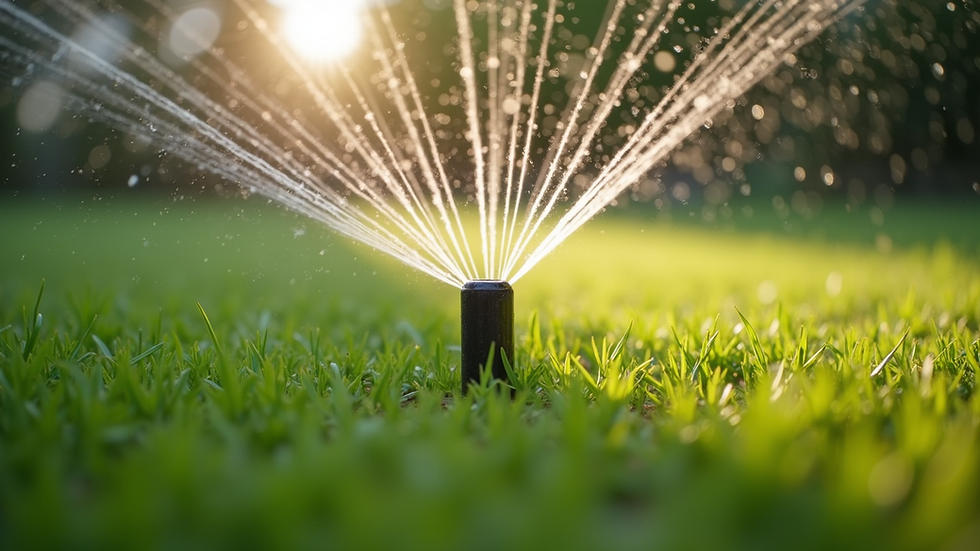
Steps to Installing Irrigation Systems
Installing irrigation systems involves careful planning and execution. Here’s a straightforward approach to get you started:
1. Assess Your Landscape
Walk around your property and note the areas that need watering. Consider:
Lawn size and shape
Garden beds and shrubs
Trees and flower pots
Sun exposure and shade areas
Soil type and drainage
This assessment helps determine the number and type of sprinkler heads or drip emitters you’ll need.
2. Design Your System
Sketch a layout of your property and mark where each sprinkler or drip line will go. Group plants with similar watering needs together. This zoning allows you to water efficiently without wasting water on areas that don’t need it.
3. Choose the Right Components
Select quality parts that fit your needs:
Sprinkler heads: Pop-up for lawns, rotary for large areas, or drip emitters for garden beds.
Pipes and tubing: PVC or polyethylene pipes for durability.
Controller: A programmable timer to automate watering schedules.
Valves: To control water flow to different zones.
4. Prepare the Site
Before installation, clear the area of debris and mark underground utilities to avoid damage. Dig trenches for pipes, usually 6-12 inches deep, depending on your local frost line.
5. Install the System
Lay pipes in trenches and connect sprinkler heads or drip lines. Attach valves and connect the system to your water supply. Make sure all connections are secure to prevent leaks.
6. Test and Adjust
Turn on the system and check for coverage and leaks. Adjust sprinkler heads to avoid watering sidewalks or driveways. Set your controller to water early in the morning or late in the evening to reduce evaporation.
If you prefer professional help, you can book an irrigation system installation with experts who know Central Indiana’s specific needs.

How Much Does an Average Sprinkler System Cost to Install?
Understanding the cost helps you budget effectively. The price of installing a sprinkler system varies based on several factors:
Size of the area: Larger lawns require more materials and labor.
Type of system: Drip irrigation is usually less expensive than full sprinkler systems.
Number of zones: More zones mean more valves and wiring.
Soil and terrain: Rocky or uneven ground can increase installation difficulty.
Additional features: Smart controllers, rain sensors, and backflow preventers add to the cost.
On average, homeowners in Central Indiana can expect to pay between $5,000 and $8,000 for a professionally installed system covering a typical residential lawn. Commercial properties will have higher costs depending on scale and complexity.
Keep in mind that investing in a quality system pays off through water savings and reduced maintenance over time.
Tips for Maintaining Your Irrigation System
Once your system is installed, regular maintenance keeps it running smoothly:
Seasonal checks: Inspect for leaks, broken heads, and clogged nozzles.
Winterizing: Drain or blow out water from pipes before freezing temperatures.
Adjust schedules: Change watering times based on seasonal weather.
Monitor water usage: Look for spikes that could indicate leaks.
Clean filters: Keep valves and emitters free of debris.
Routine care extends the life of your system and ensures your landscape stays healthy.
Why Choose Local Experts for Your Irrigation Needs?
Working with local professionals means you get service tailored to Central Indiana’s climate and soil conditions. Experts understand the best watering schedules and system designs for this region. They also offer quick, reliable service and comprehensive maintenance plans to keep your system efficient year-round.
If you want peace of mind and a system that performs well, consider scheduling your irrigation system installation with trusted local specialists.
Ready to Upgrade Your Landscape?
Installing irrigation systems is a smart way to save time, conserve water, and keep your lawn or garden looking its best. With careful planning, quality materials, and regular maintenance, your irrigation system will serve you well for years.
If you’re in Central Indiana and want expert help, don’t hesitate to reach out. A well-designed irrigation system is just a call or click away from transforming your outdoor space.
Start your journey to a greener, healthier landscape today!


Comments